Three programs, each written one stage at a time
The walking material is organised around weekly stages rather than daily targets. Each stage explains its focus in plain language, offers a shorter and a longer version, and ends with a prompt to note how the walk felt. It is general informational reading, not personalised instruction.
Programs grouped by the kind of week you have
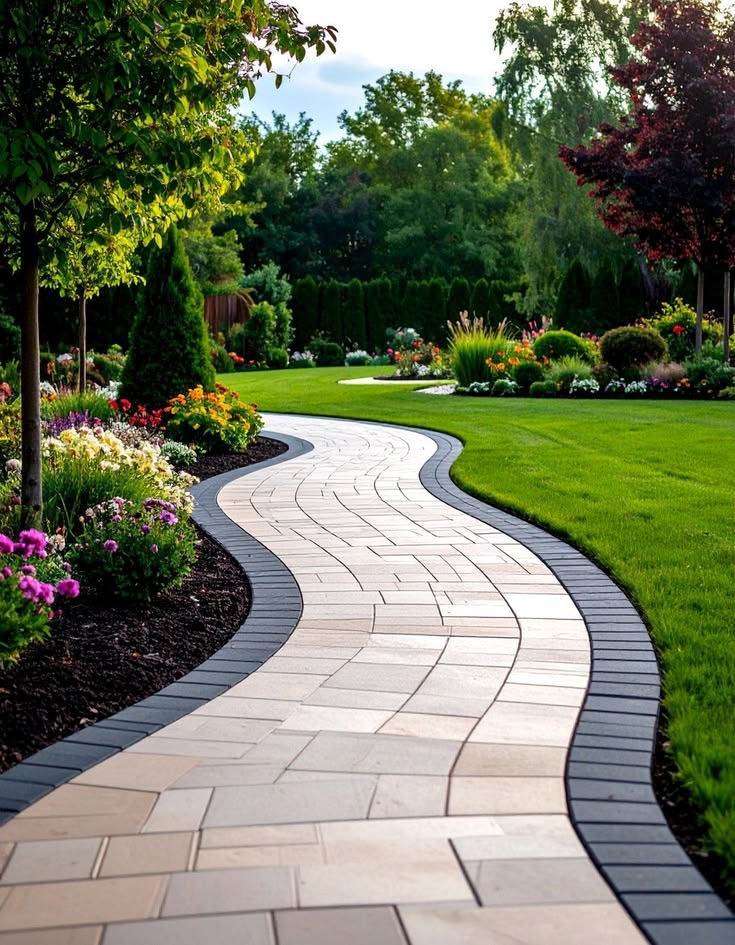
Foundations: a calm, repeatable loop
The first program centres on a single nearby loop you can walk without planning. Across its stages, the reading focuses on noticing your route, settling into a comfortable pace, and treating consistency as the point rather than distance.
- Shorter version: a single pass of the loop at an easy pace.
- Longer version: the same loop twice, with a short pause between.
- Note prompt: one line on what felt comfortable and what did not.
Stretch
Gently lengthen the loop you already know.
This program adds small extensions rather than new routes, so progress stays familiar and easy to picture.
Stretch: lengthen what you already know
The second program assumes you have a comfortable loop and want it to grow without becoming a project. Each stage suggests one small extension – an extra street, a longer side of the park – described so the change feels almost unnoticeable.
- Shorter version: keep the original loop on busier days.
- Longer version: add the suggested extension once.
- Note prompt: did the extension change how the walk felt?
Variety
Rotate between a few routes you enjoy.
Reading-led prompts help you keep a small set of loops fresh without turning planning into a chore.
Variety: a small rotation of routes
The third program is about keeping things interesting once a routine is established. Instead of one loop, the stages help you hold two or three routes in mind and choose between them based on time, weather, and mood – all decided in advance through the reading.
- Shorter version: the quickest route in your small set.
- Longer version: the route you find most pleasant.
- Note prompt: which route suited the day, and why?
The habits the writing tries to encourage
Across all three programs the tone stays the same. The pages are meant to inform and to lower the friction of starting, never to push a target or imply a particular result.
This site offers general informational content about walking routines. It is not advice for any individual and is not a substitute for guidance from a qualified professional who understands your situation.
-
Start lighter than you think
Each program opens with the easiest sensible version so the first stage feels approachable rather than demanding.
-
Favour repetition over novelty
Familiar routes make it simpler to notice small changes, which is why early stages reuse the same loop on purpose.
-
Keep effort honest
The logging prompts ask how a walk felt, not how it should have felt, so the record stays useful rather than aspirational.
Common questions about the walking material
Which program should I read first?
How long is each program?
What if a stage feels too long?
See how the step ideas fit alongside
The Steps page explains how to read step figures as gentle context rather than a target. It pairs naturally with any of the three programs above.
Read the step ideas